CS, Technology and Media Literacy Graduation Recommendations
Written by Michelle Laskowski, CSTAWA President
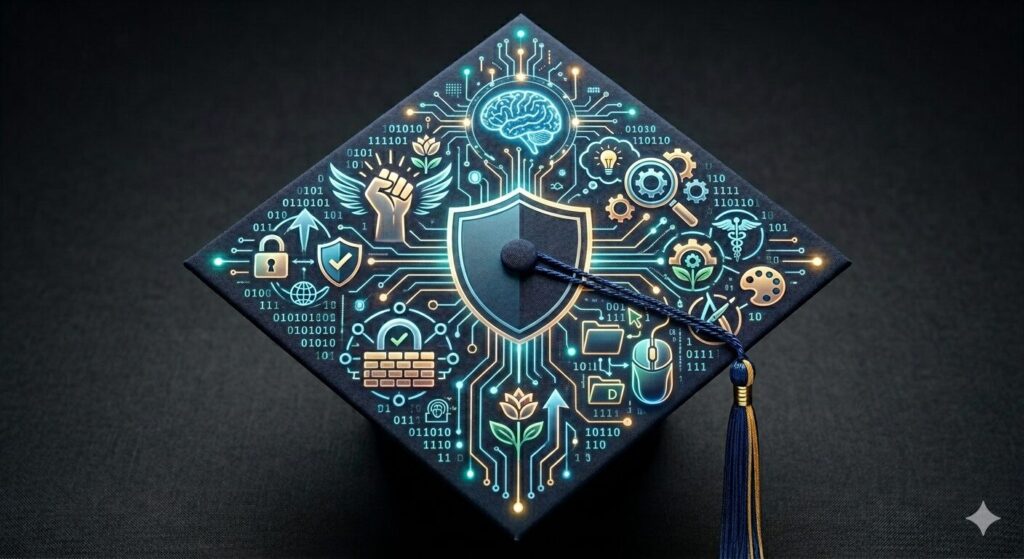
Nano Banana Prompt: Digital Fluency graduation cap…no words on the cap but include images that represent empowerment, safety, critical thinking, a file system and mouse and industry inclusivity
The Computer Science, Technology and Media Literacy Future Ready Subcommittee Explained
As you may know, the world is changing rapidly. In response, the Washington State Board of Education has launched an initiative called Future Ready. This initiative brought together diverse groups of educational stakeholders, each tasked with proposing recommendations to the Washington State Legislature to update public school graduation requirements.
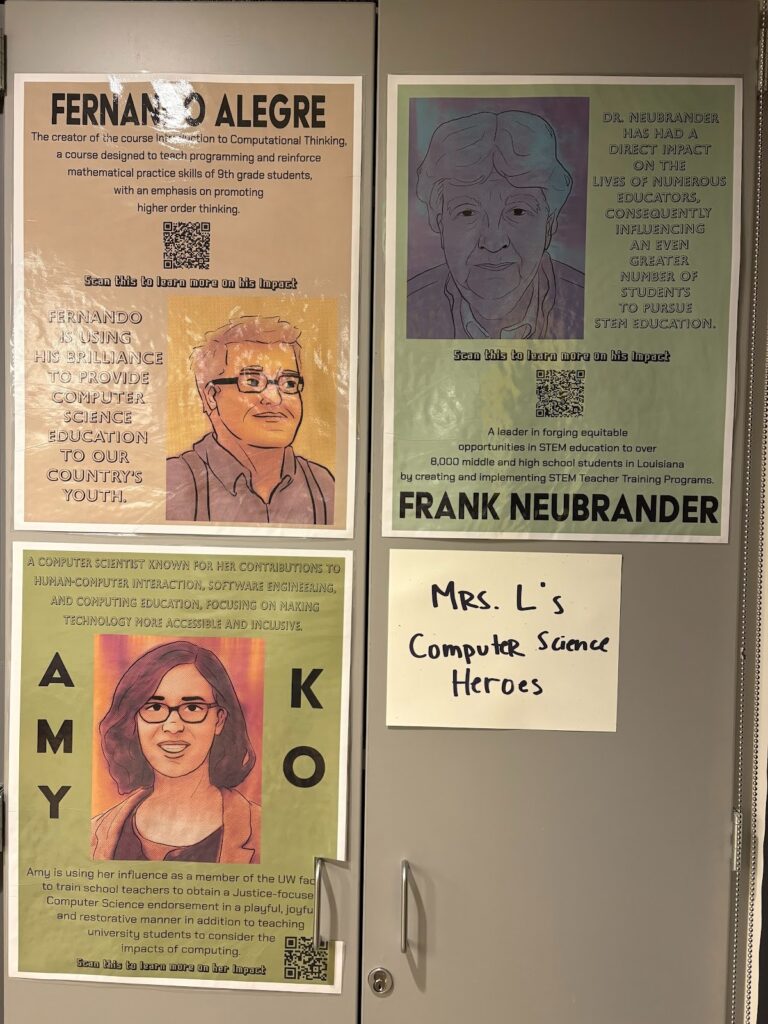
I served as a member of the subcommittee for Computer Science, Technology and Media Literacy, a subcommittee led by Dr. Amy J. Ko, (UW Information School, Co-Director of CSforAllWA, activist and more). We centered our recommendations around the goal of identifying the smallest subset of competencies in computing, information, media, and technology literacy that would prepare all students to thrive in a changing digital world.
After four months of stakeholder input from youth, families, teachers, school leaders, ESDs, industry, and not-for-profit communities from across Washington state, the Future Ready CS, Technology, and Media Literacy subcommittee recommends six mandatory content graduation requirements. These requirements prepare students for a lifetime of technology use, critical thinking with and about technology and information in their lives and society, and the ever-changing ways that technology such as AI will shape work.
The Recommended Proposal
We recommend that, at minimum, all Washington state students learn:
1. How to operate computers and the internet (K-5);
2. How to stay safe, well, and empowered in digital spaces (K-12);
3. How to critically seek, evaluate, share, and produce information (K-12);
4. How to critically evaluate and engage human and artificial intelligence (K-12);
5. How technology interacts with other subject areas (K-12)
6. How to evaluate and influence the impact of technology on society (6-12)
You may view the full proposal here: https://drive.google.com/file/d/1tYvjdY-WmGSBGphbm6Ru4Z6QRhYIWVcv/view?usp=sharing
It is important to note that the subcommittee is not proposing adding a required new course to our students’ graduation requirements; rather, the recommendation is that how these standards are taught be flexible, and determined by individual schools and districts, based on their visions of how to best meet their community’s needs.
This proposal also strongly emphasizes that implementation will require “funding, and well-resourced and robust planning”. It further states that without adequate funding and resources, these recommendations may do more harm than good, highlighting inequities that arise from unfunded mandates and citing examples of states that passed CS graduation requirements without funding, resulting in student graduation barriers.
The Timeline
The proposed recommendation was submitted to the Washington State Board of Education in March 2026. Next, the Board of Education will refine its recommendations based on feedback from stakeholders and prepare a legislative proposal for consideration during the 2027 Legislative Session.
Any new graduation requirements will be at the earliest, be in effect for the graduating class of 2031.
Links to Referenced Resources
Full proposal: https://drive.google.com/file/d/1tYvjdY-WmGSBGphbm6Ru4Z6QRhYIWVcv/view?usp=sharing
Future Ready Initiative: https://sbe.wa.gov/our-work/futureready
CSforallWashington: https://www.csforallwa.org