Integrating Esports and STEM: Leveraging Competitive Gaming for CS Student Leadership in Washington State
The Washington State Scholastic Esports Association (WSSEA) hosted Washington’s 5th annual State Esports Championship at the Alderwood Mall in Lynnwood, Washington. The event drew 38 middle and high school teams from across the state to compete in industry-standard titles, including Overwatch 2, Super Smash Bros., Rocket League, and Splatoon 3.
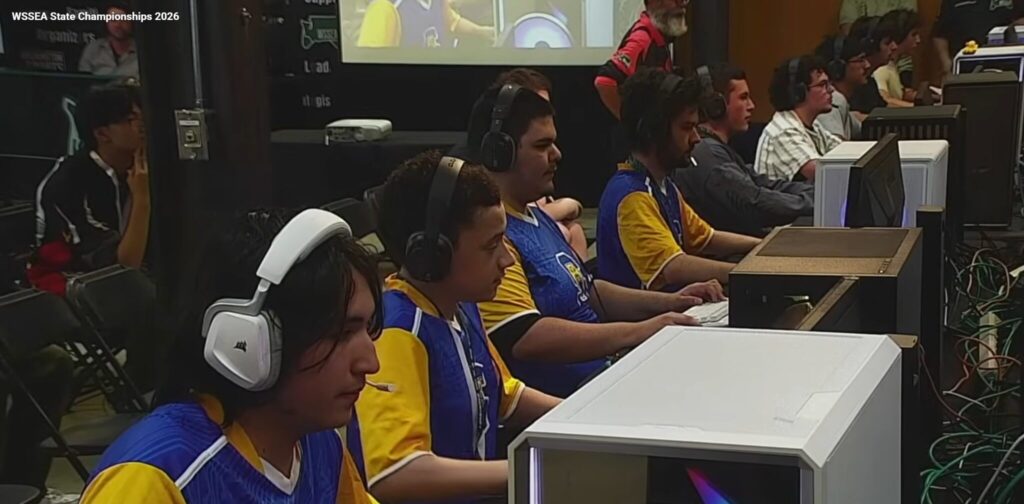
What began around 2010 as informal, student-led after-school clubs has matured into a robust scholastic movement. The sector saw exponential growth around 2020, as the pandemic necessitated remote, internet-based extracurricular activities. Recognizing the need for structured competition, the WSSEA was established in late 2020. The organization’s mission is to standardize scholastic leagues, promote digital citizenship, and cultivate 21st-century skills across Washington’s 295 school districts.
While esports is not yet an officially sanctioned varsity sport, it is recognized as an interscholastic activity by the Washington Interscholastic Activities Association (WIAA). Today, it serves as a powerful vehicle for developing student leadership, establishing academic and career pathways, and unlocking collegiate scholarship opportunities.
Esports as a Catalyst for STEM Education
To the casual observer, scholastic esports might seem unconventional, particularly since many coaches are academic teachers rather than gaming experts. However, the core of esports coaching lies in strategic planning, teamwork, and leadership development. Consequently, Career and Technical Education (CTE) teachers frequently serve as program directors, seamlessly blending their core curricula with esports operations.
Like traditional athletics, the esports industry encompasses an ecosystem that extends far beyond the players themselves. Because it is digitally native, esports offers a more direct bridge to STEM-focused career pathways than traditional sports. National organizations, such as the Network of Academic and Scholastic Esports Federations (NASEF), have developed comprehensive curricula that connect classroom learning with the operational demands of after-school programs.
NASEF categorizes this framework into four key quadrants surrounding the game and players:
- Strategists & Organizers: Students manage tournament logistics, IT networking, and event operations.
- Content Creators & Entertainers: Students specialize in videography, shoutcasting (broadcasting), and digital multimedia production.
- Entrepreneurs: Students oversee marketing, business development, and community fundraisers.
- Journalists: Students write analytical pieces and manage media relations for school blogs and newspapers.
By collaborating with cross-departmental colleagues, an esports coach can establish an inclusive, highly engaged program that appeals to diverse student interests. Furthermore, CTE teachers can utilize their esports program to fulfill state-required leadership components through the Student Leadership Equivalency pathway.
Navigating CTE Student Leadership Equivalencies
Student leadership development is a foundational pillar of the Career and Technical Education (CTE) model, allowing students to apply classroom knowledge in real-world contexts. Historically, this requirement has been met through Washington’s eight recognized Career and Technical Student Organizations (CTSOs), such as SkillsUSA, TSA, DECA, and FFA.
However, many CTE instructors and administrators are unaware that the Washington Office of Superintendent of Public Instruction (OSPI) permits Alternative Student Leadership Strategies when a matching CTSO is unavailable for a specific pathway. Approved leadership equivalencies must satisfy strict OSPI criteria, ensuring that students:
- Participate in community service activities.
- Engage in competitive or leadership events outside the classroom at the local, regional, state, or national level.
- Extend their learning beyond the traditional laboratory setting into the broader community.
Because competitive esports does not neatly align with traditional CTSOs, innovative educators are establishing formal Student Leadership Equivalencies that link their CTE frameworks directly to esports. These equivalencies incorporate competitive engagement through state organizations like WSSEA and national platforms like PlayVS.
Case Study: Driving Computer Science Enrollment
Integrating an esports program can significantly elevate a course’s profile in the student registration catalog.
Example: At East Valley High School, the AP Computer Science Principles course initially faced low enrollment. After transforming the classroom into a dedicated esports and gaming lab and shifting instructional focus toward game design, enrollment doubled. This momentum allowed us to expand our computer science pathway to include AP Computer Science A and a Minecraft: Intro to STEM course.
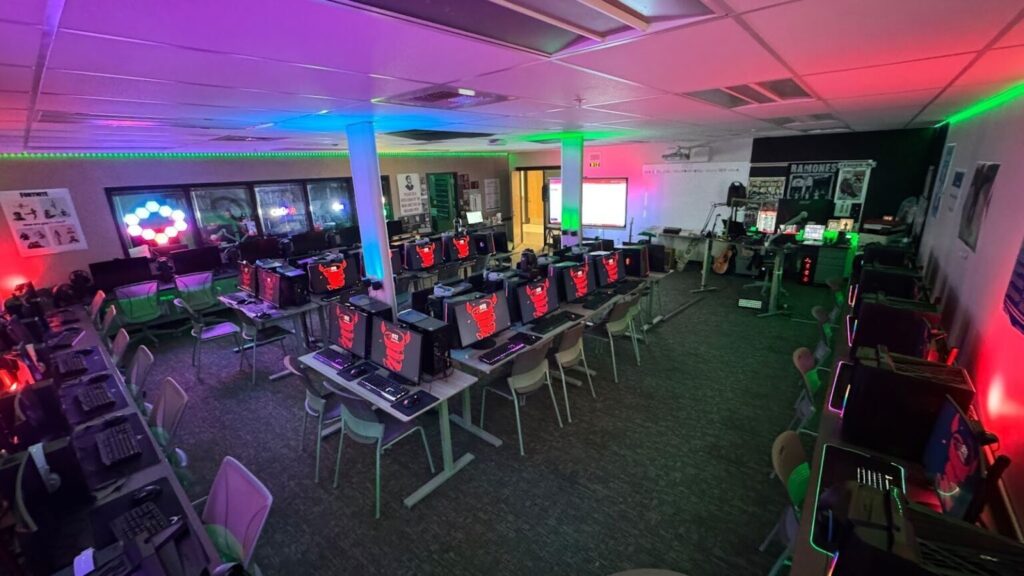
This integration does more than just drive enrollment; it creates natural on-ramps for industry-recognized certifications. Within our after-school program, students actively work toward credentials in:
- Programming & Game Design: Unity, Coding in Minecraft
- Web Design: WordPress
- IT & Networking: CompTIA A+
Actionable Resources and Support
If you are interested in linking an existing or new esports program to your CTE curriculum, resources are available to help you navigate the OSPI approval process.
You can download the official, blank OSPI CTE Student Leadership Template here to begin building your framework. For reference, you may view our verified program models below:
For further guidance, questions, or collaboration opportunities, please contact Anthony Barba at barba.scott@evsd90.org.